Short answer: Scientists generally recognize two living gorilla species—the western gorilla and eastern gorilla—and four subspecies: western lowland, Cross River, Grauer’s and mountain gorillas. Every wild gorilla lives in equatorial Africa, but each taxon has a distinct range, ecology and conservation situation.
Last fact-checked: August 2026. Scientific names follow the two-species, four-subspecies classification used in IUCN gorilla assessments.
Gorilla classification at a glance
| Species | Subspecies | Scientific name | Principal range |
|---|---|---|---|
| Western gorilla | Western lowland gorilla | Gorilla gorilla gorilla | Lowland forests of west-central Africa |
| Western gorilla | Cross River gorilla | Gorilla gorilla diehli | Nigeria–Cameroon border highlands |
| Eastern gorilla | Grauer’s gorilla | Gorilla beringei graueri | Eastern Democratic Republic of the Congo |
| Eastern gorilla | Mountain gorilla | Gorilla beringei beringei | Virunga Massif and Bwindi–Sarambwe |
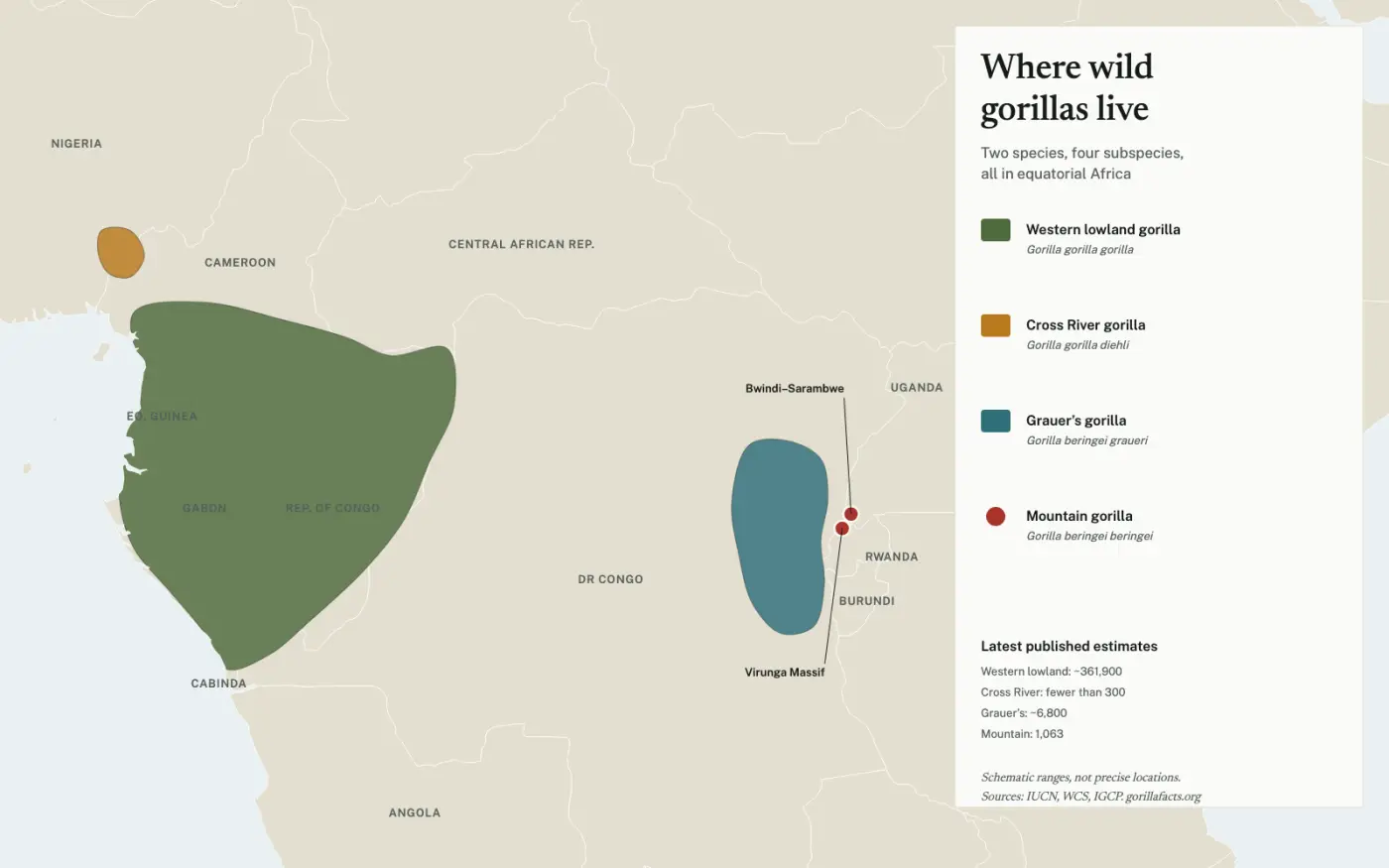
Western gorilla (Gorilla gorilla)
The western gorilla species occurs west of the Congo River system and includes the most numerous and the rarest gorilla subspecies. The species is classified as Critically Endangered by the IUCN because of severe population reduction driven by illegal killing, disease and habitat loss.
Western lowland gorilla
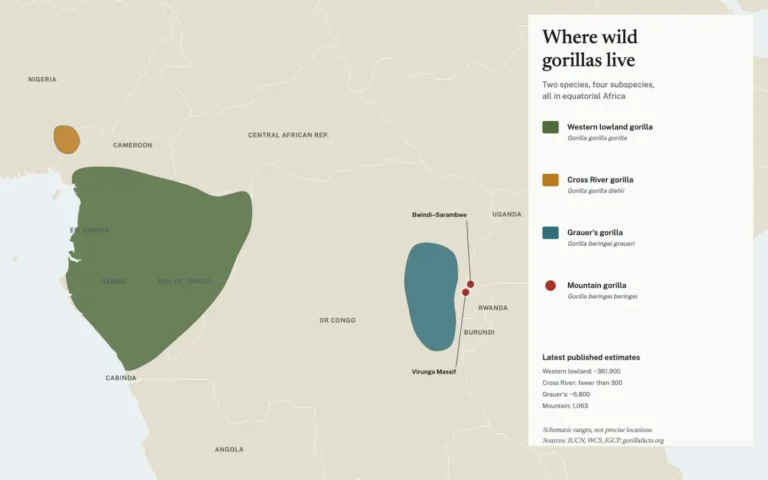
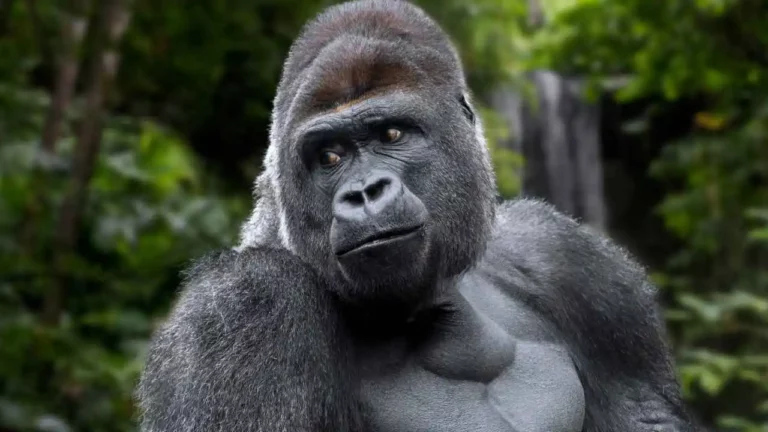
Western lowland gorillas occupy tropical forests across several west-central African countries. They are the most numerous gorilla subspecies and the type most commonly cared for in accredited zoos. “Lowland” describes much of their habitat; it does not mean that every population lives at the same elevation.
Their diet is highly variable. Fruit can be important when available, alongside leaves, stems, bark and some insects. Range-wide research published in 2018 estimated approximately 361,900 individuals using surveys conducted between 2003 and 2013, while also finding an estimated annual decline.
Cross River gorilla
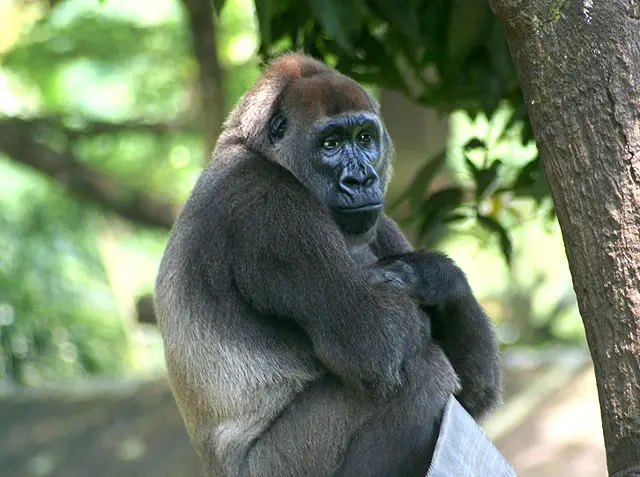
Cross River gorillas survive in a fragmented landscape along the border between Nigeria and Cameroon. Fewer than 300 are estimated to remain. They are difficult to observe directly, so researchers use nests, camera traps, genetics and signs of presence.
Cross River gorillas are closely related to western lowland gorillas but show distinguishing skull and dental characteristics and have been separated for thousands of years. Hunting and the loss of connections between forest patches are central threats.
Eastern gorilla (Gorilla beringei)
The eastern gorilla species occurs east of the Congo Basin divide and includes Grauer’s and mountain gorillas. The species is classified as Critically Endangered, although the mountain subspecies has a different subspecies-level category.
Grauer’s gorilla
Grauer’s gorilla—also called the eastern lowland gorilla—is found only in the eastern Democratic Republic of the Congo. Its range spans lowland and montane forests, which makes “eastern lowland” an incomplete description. Grauer’s gorillas are often described as the largest gorilla subspecies.
Research incorporating newly surveyed strongholds produced an estimate of about 6,800 individuals in 2021. The taxon remains Critically Endangered after major historical losses associated with hunting, habitat pressure, mining and armed conflict.
Mountain gorilla
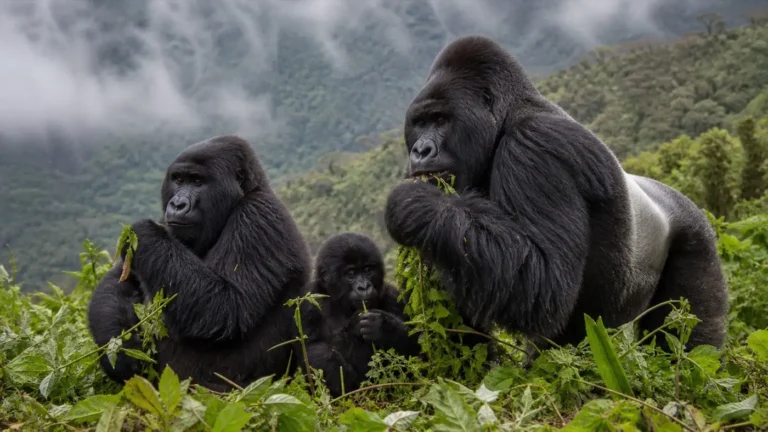
Mountain gorillas live in two populations: the Virunga Massif across Rwanda, Uganda and the Democratic Republic of the Congo, and the Bwindi–Sarambwe landscape in Uganda and the DRC. Their longer, dense coat is associated with cool, high-elevation habitat.
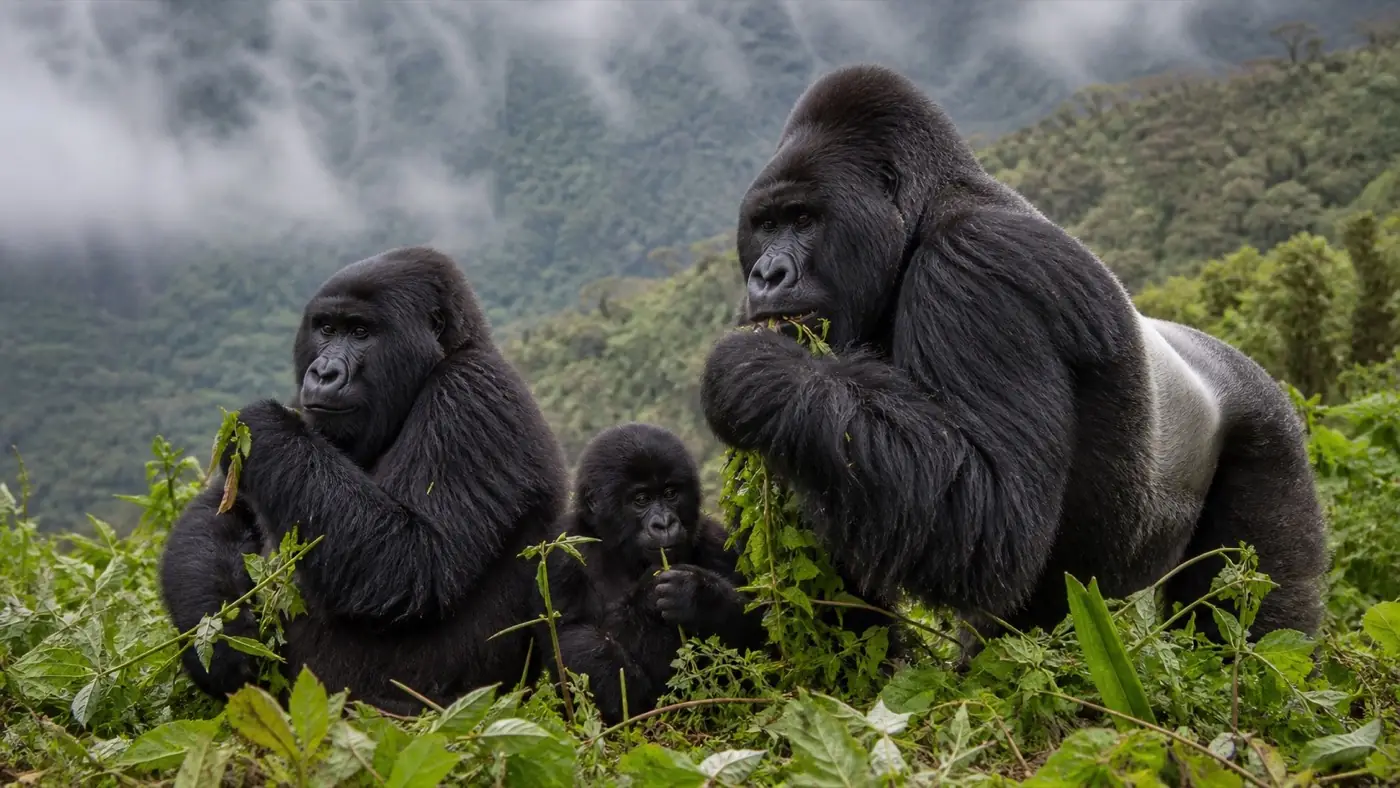
Combined survey results announced in 2019 placed the population at 1,063. Mountain gorillas are classified as Endangered. Their increase is an important conservation achievement, but their small range and susceptibility to human disease demand continued protection.
How can the four types be distinguished?
Appearance alone is not always enough, especially without scale or location. Researchers consider geography, genetics, skull and dental morphology, body size, coat characteristics and ecology. Reliable identification should begin with where the animal or evidence was recorded.
- Western lowland: broad west-central African range and comparatively frequent fruit eating.
- Cross River: restricted Nigeria–Cameroon border range and extremely small, fragmented population.
- Grauer’s: endemic to eastern DRC across a wide elevation gradient.
- Mountain: restricted to Bwindi–Sarambwe and the Virungas, with a dense coat suited to cool montane forests.
Species, subspecies and silverbacks are different concepts
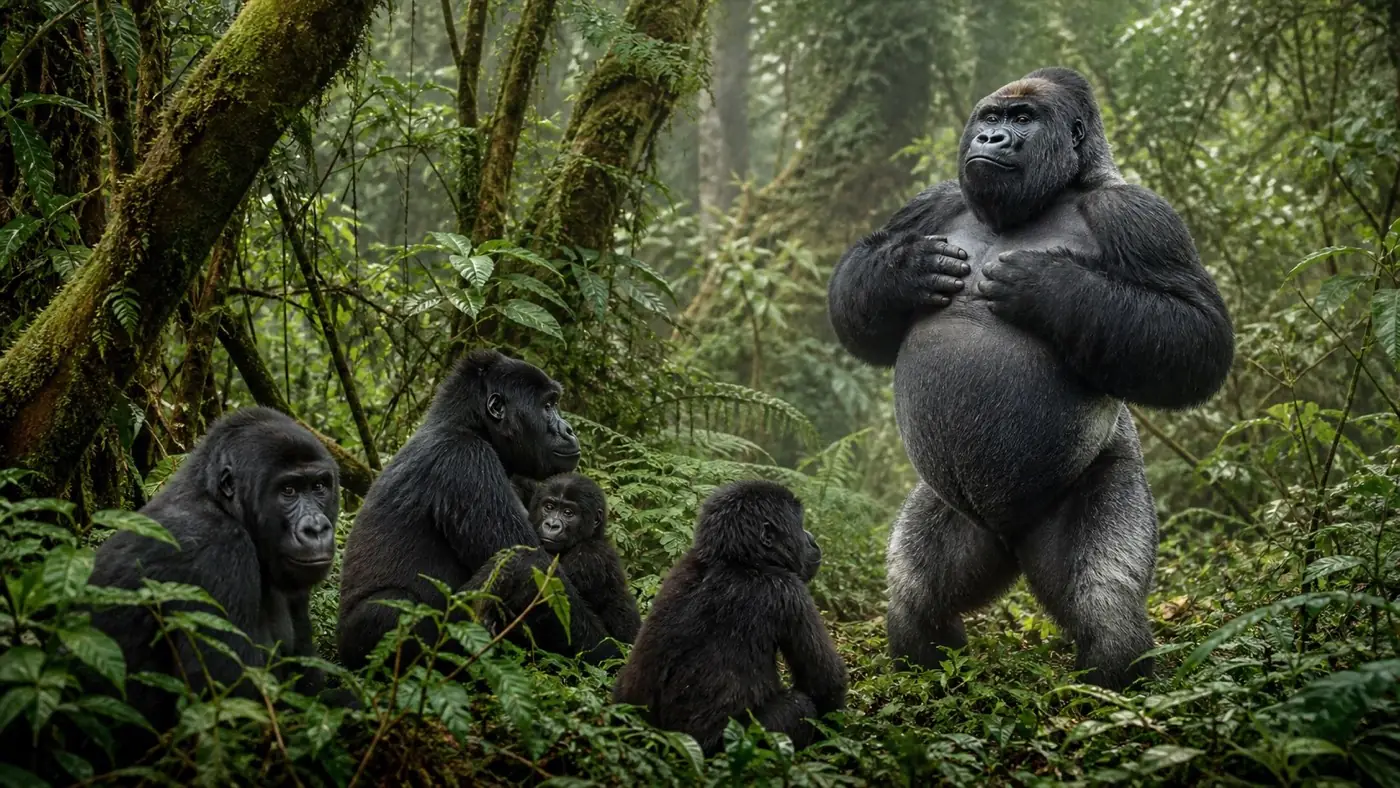
A species is an evolutionary lineage; a subspecies is a geographically and genetically differentiated population within a species. “Silverback” is not a species. It describes a mature adult male whose back develops a silver-gray saddle.
Continue with where gorillas live, population estimates by subspecies and gorilla conservation status.
Sources
- IUCN Red List, gorilla taxonomy and assessments.
- Strindberg et al. (2018), range-wide western lowland gorilla assessment, Science Advances.
- Wildlife Conservation Society, Cross River gorilla profile.
- International Gorilla Conservation Programme, mountain gorilla survey results.
- Smithsonian’s National Zoo, western lowland gorilla biology.