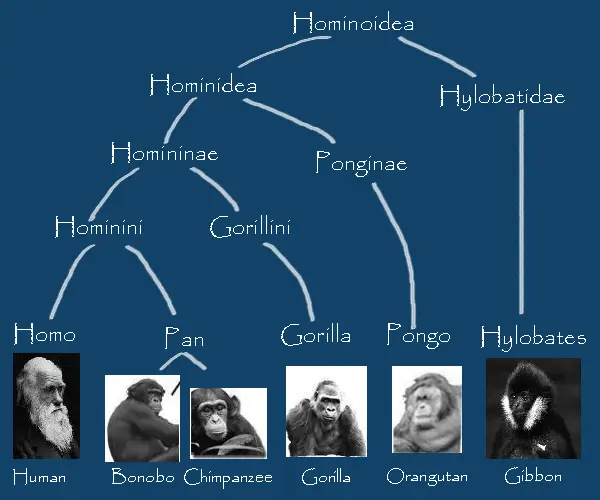
Short answer: Gorillas belong to the genus Gorilla. Scientists recognize two living species: the western gorilla (Gorilla gorilla) and the eastern gorilla (Gorilla beringei). Each species contains two generally recognized subspecies, for a total of four.
Scientific names of gorillas
| Common name | Scientific name | Taxonomic level |
|---|---|---|
| Western gorilla | Gorilla gorilla | Species |
| Western lowland gorilla | Gorilla gorilla gorilla | Subspecies |
| Cross River gorilla | Gorilla gorilla diehli | Subspecies |
| Eastern gorilla | Gorilla beringei | Species |
| Mountain gorilla | Gorilla beringei beringei | Subspecies |
| Grauer’s gorilla (eastern lowland gorilla) | Gorilla beringei graueri | Subspecies |
These names are supported by the Integrated Taxonomic Information System record for the eastern gorilla and its recognized subspecies. Taxonomic references may be revised as scientists evaluate new genetic, anatomical and behavioral evidence, so authoritative databases should be checked when exact nomenclature matters.
What does the name Gorilla mean?
A scientific name identifies an organism within a standardized biological classification. In a two-part species name, the first word is the genus and the second identifies the species. Both are italicized: Gorilla gorilla and Gorilla beringei. A subspecies adds a third italicized word, as in Gorilla beringei beringei.
Capitalization matters. The genus begins with a capital letter, while species and subspecies names use lowercase letters. Common names such as “mountain gorilla” are not italicized.
Gorilla classification
- Kingdom: Animalia
- Phylum: Chordata
- Class: Mammalia
- Order: Primates
- Superfamily: Hominoidea
- Family: Hominidae
- Subfamily: Homininae
- Genus: Gorilla
Gorillas are great apes, not monkeys. Like humans, chimpanzees, bonobos and orangutans, they belong to the superfamily Hominoidea. Apes lack an external tail and have body plans adapted for a wide range of shoulder and arm movement.
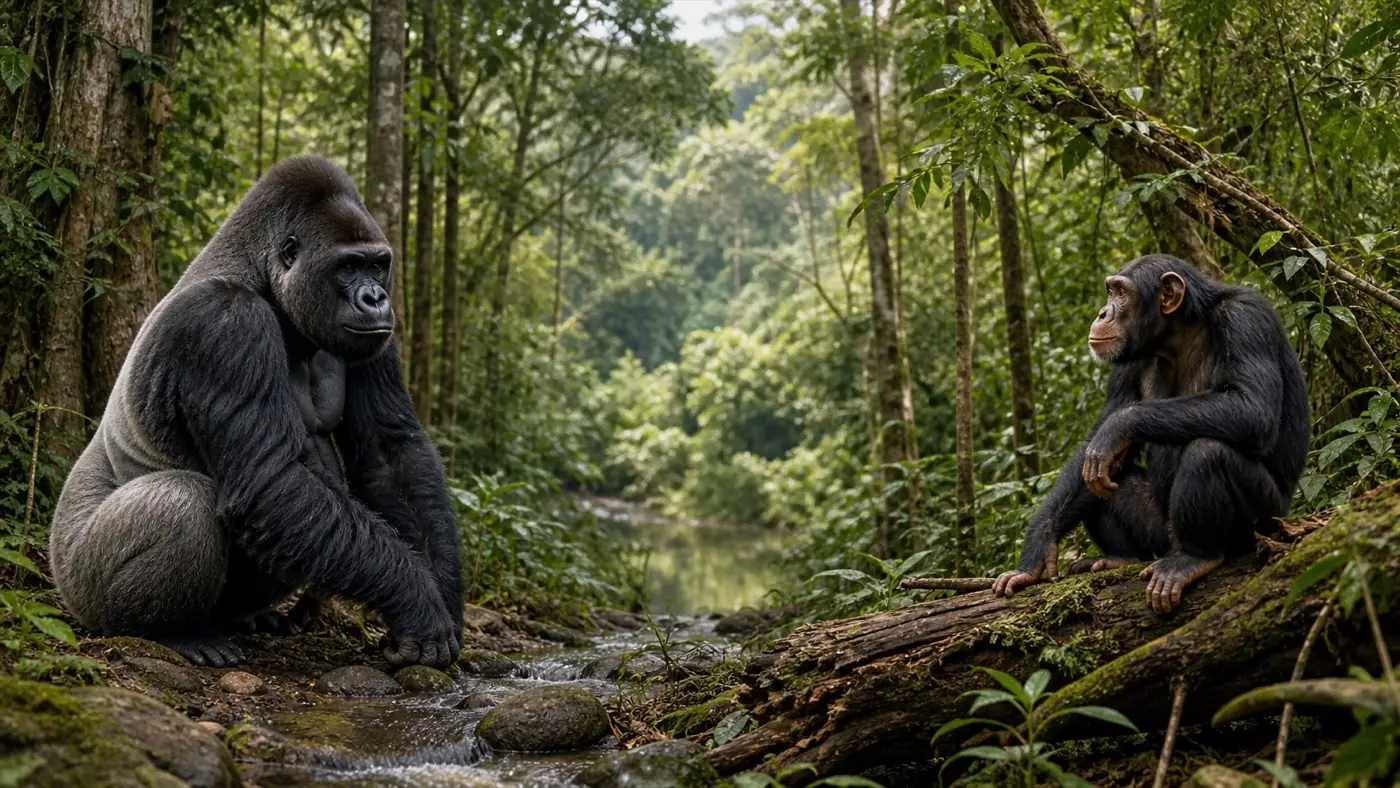
Western and eastern gorillas
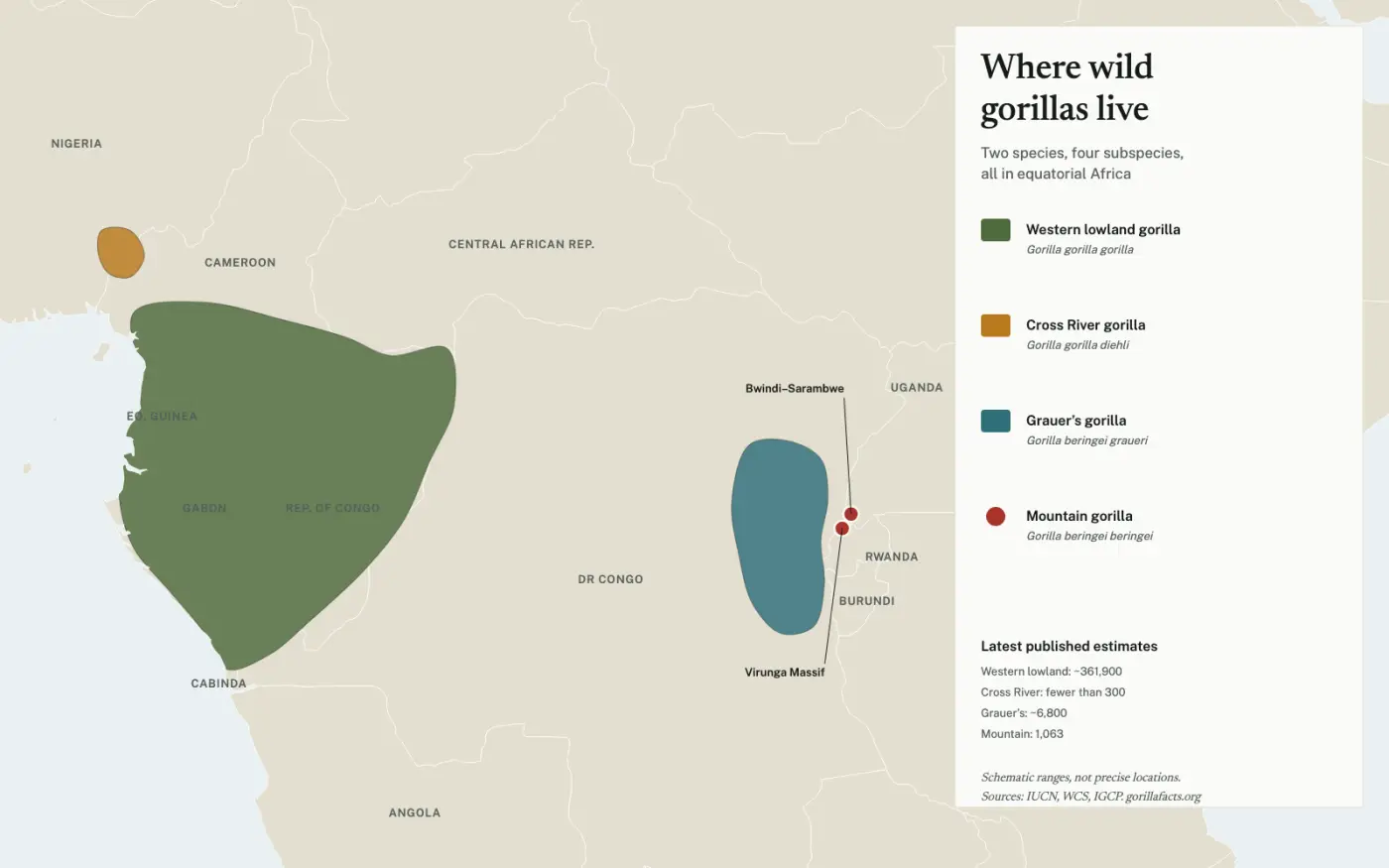
The two species occur in different regions of equatorial Africa. Western gorillas live west of the Congo Basin’s major river barriers. Eastern gorillas occur farther east in the Democratic Republic of the Congo and, for mountain gorillas, parts of Uganda and Rwanda. Read our complete guide to the two species and four subspecies for ranges, appearance and conservation status.
Western gorilla: Gorilla gorilla
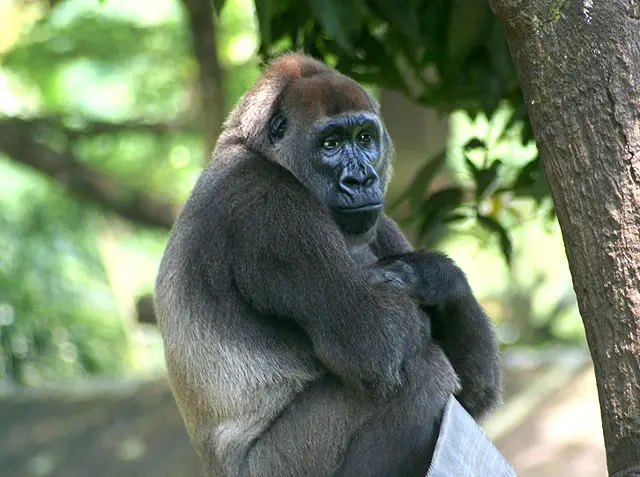
The western species includes the western lowland gorilla and Cross River gorilla. Western lowland gorillas have the broadest distribution of any gorilla taxon. Cross River gorillas occupy a much smaller, fragmented range near the Nigeria–Cameroon border.
Eastern gorilla: Gorilla beringei
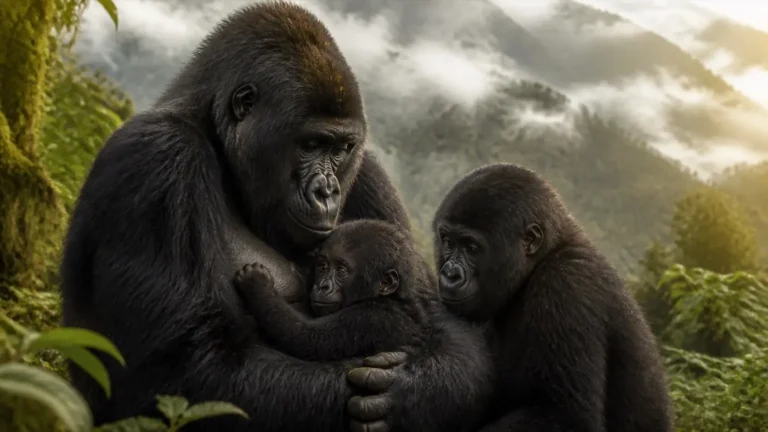
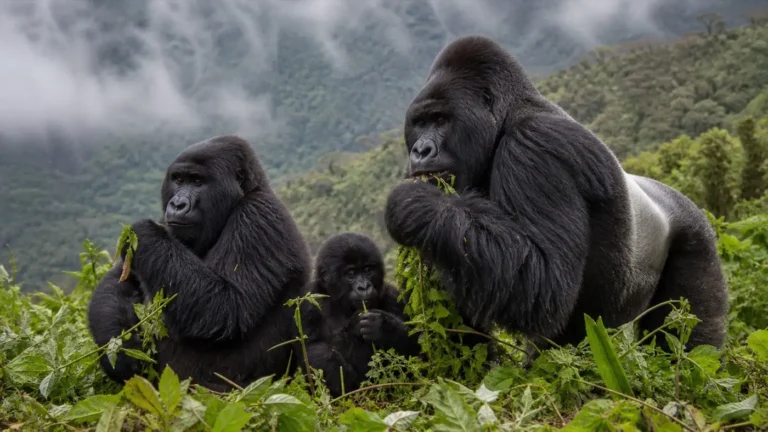
The eastern species includes Grauer’s gorilla and the mountain gorilla. Grauer’s gorillas live only in the eastern Democratic Republic of the Congo. Mountain gorillas survive in two populations: the Virunga Massif and Uganda’s Bwindi–Sarambwe landscape.
Is “silverback” a species?
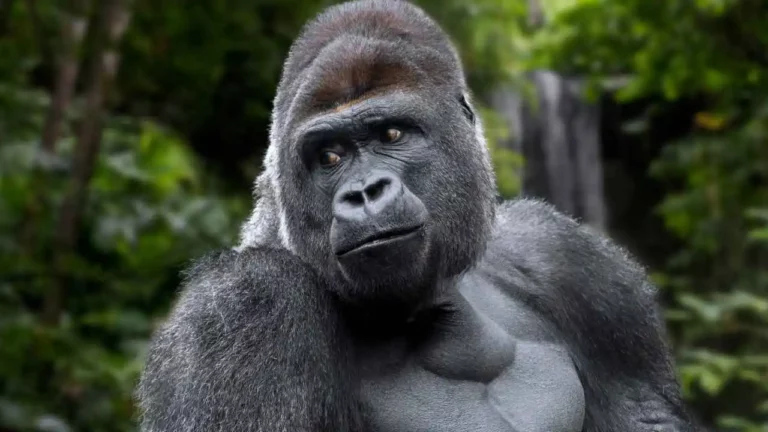
No. “Silverback” describes a mature adult male whose back develops a saddle of silver-gray hair. A silverback can belong to any gorilla species or subspecies. Its scientific name therefore depends on its taxonomic identity; there is no separate species called the silverback gorilla.
Common spelling mistakes
- Gorilla beringei, not “berengei” or “beringei gorilla” as a single common name.
- Gorilla gorilla diehli, not “deihli.”
- Grauer’s gorilla is Gorilla beringei graueri.
- There is no accepted gorilla species called “Gorilla mate.”
Sources and further reading
- Integrated Taxonomic Information System: Gorilla beringei
- ITIS taxonomic references for recognized gorilla taxa
- Smithsonian’s National Zoo: western lowland gorilla
Editorial note: This guide reports widely accepted living gorilla taxonomy and avoids unsupported names. Taxonomy can change as evidence develops. Please use our corrections process to flag a nomenclatural update.