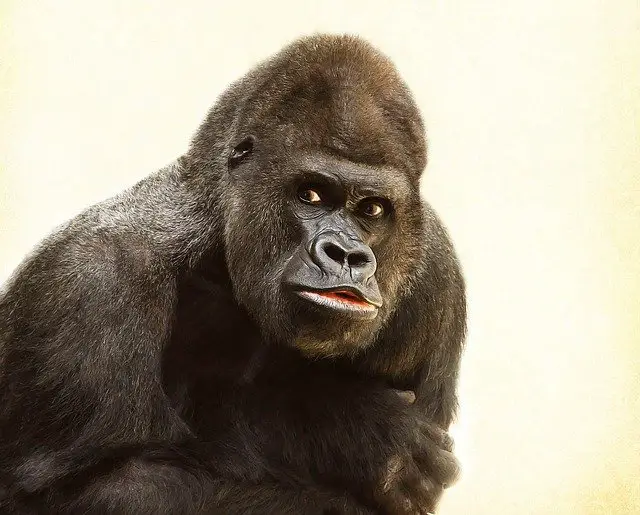
Short answer: Gorillas in the wild commonly live about 30 to 40 years. Some individuals under human care live into their 50s. Lifespan varies, and the oldest known individual should not be confused with the average.
Wild versus human-care lifespan
| Setting | General range | Context |
|---|---|---|
| Wild | Often about 30–40 years | Based on long-term observations and estimated ages |
| Human care | Some live into their 50s | Veterinary care, nutrition and known birth records improve documentation |
The Smithsonian reports these broad ranges for western lowland gorillas. They are useful orientation, not a promise for an individual.
How do scientists know a wild gorilla’s age?
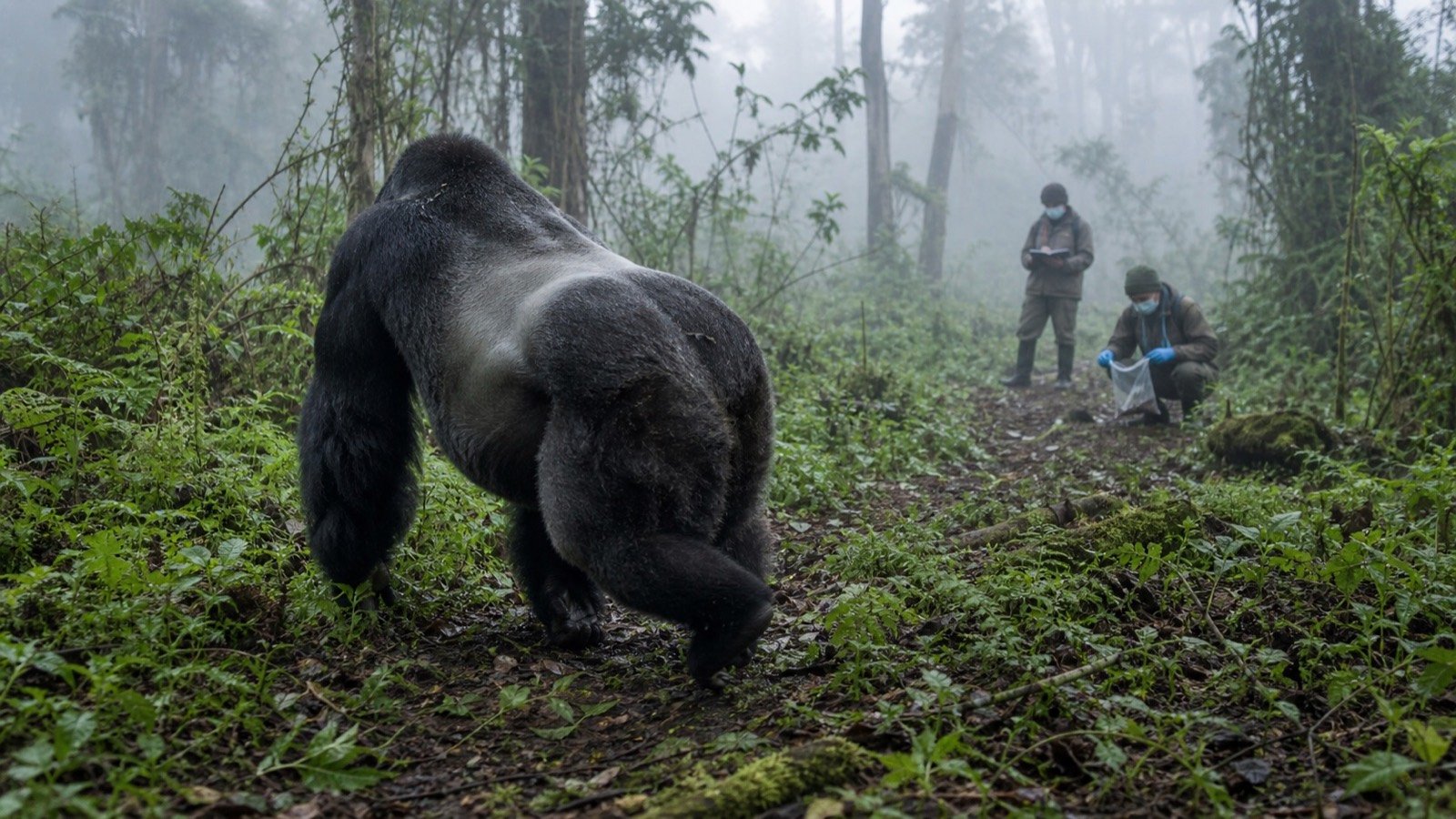
For gorillas followed from birth, researchers know age directly. Older animals first encountered as juveniles or adults may be assigned an estimated age based on development, appearance, reproductive history and long-term observations. Estimates become less precise with increasing age.
What affects gorilla lifespan?
- Disease: including naturally circulating and human-introduced infections.
- Injury: from social encounters, falls, snares or human activity.
- Nutrition and habitat: food availability and ecosystem quality influence health.
- Illegal killing and conflict: major conservation threats can end life at any age.
- Individual biology: genetics, sex, reproductive history and chance all matter.
Why can zoo gorillas live longer?
Gorillas in accredited institutions receive regular food, veterinary care and protection from predators, snares and food shortages. However, managed care also presents health and welfare challenges, and lifespan alone is not a complete measure of welfare.
How gorillas age
Older gorillas may experience tooth wear, reduced mobility, arthritis, changes in body condition or other age-related conditions. Field teams infer health through observation and non-invasive sampling; veterinary teams in zoos can perform more direct examinations.
Life history and conservation
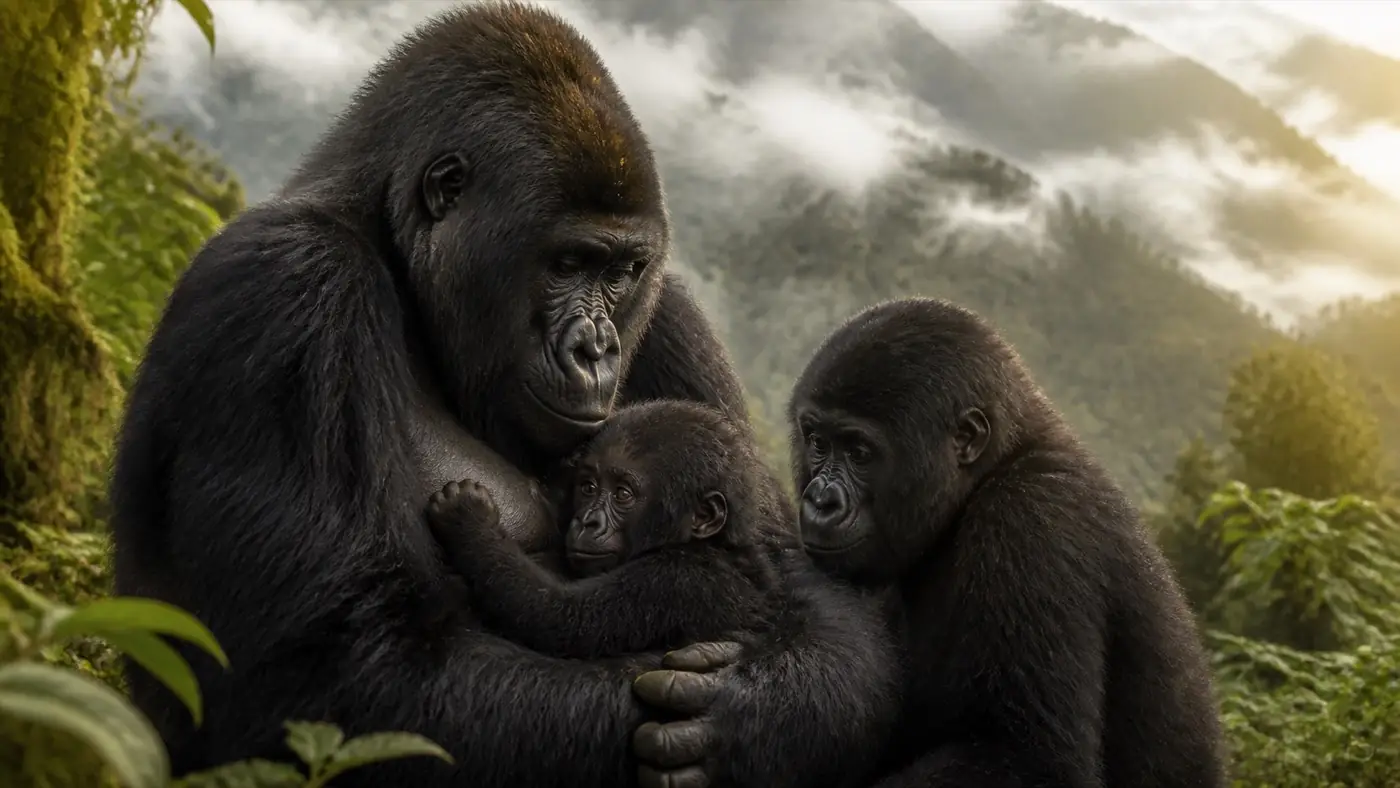
Long life is paired with slow reproduction. Females invest years in one infant and birth intervals are long. Protecting adult females and breeding groups is therefore especially important for population recovery.
Source
Related: gorilla life cycle.