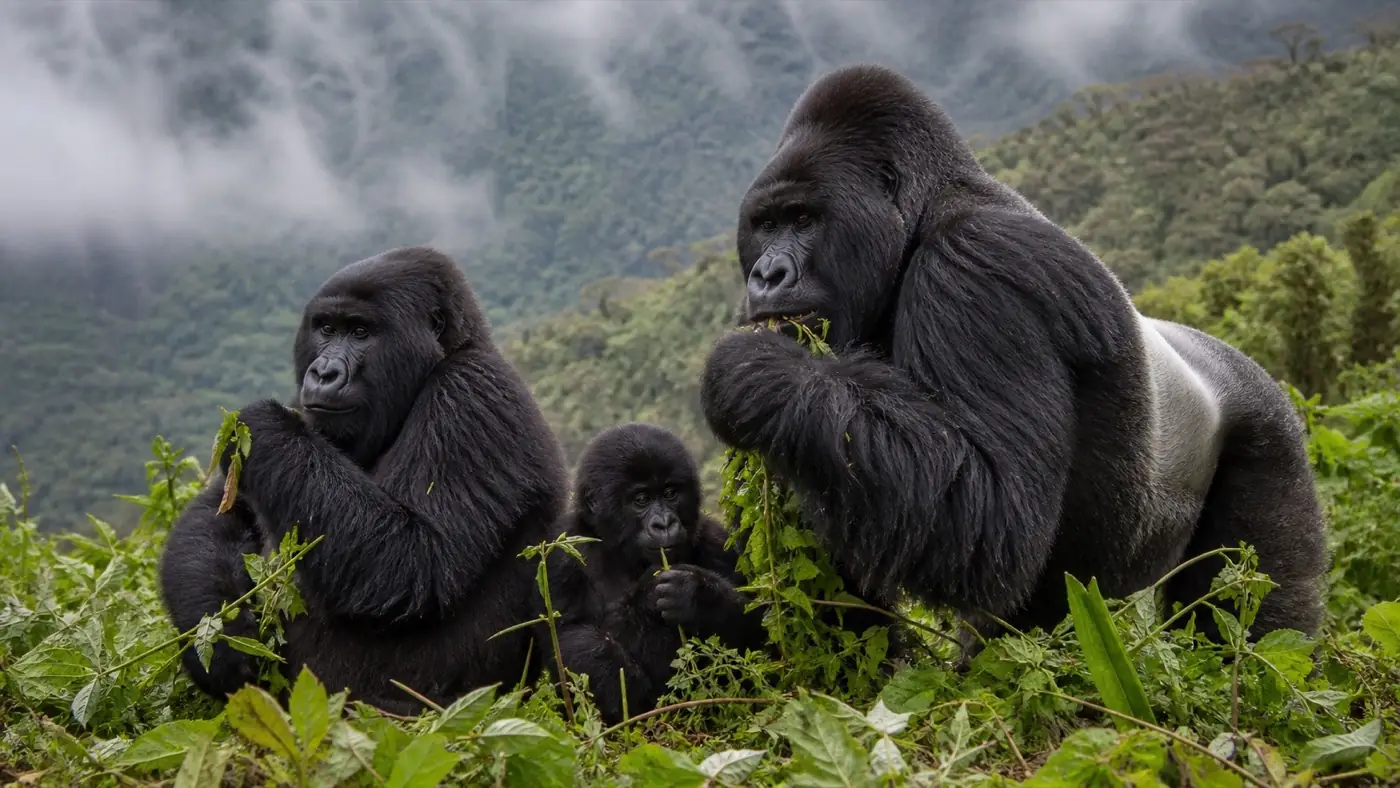
Short answer: A blackback is a maturing male gorilla that has not developed the complete silver-gray adult saddle. A silverback is a physically mature male. The transition is gradual, and neither label alone tells you whether a male leads a group.
Comparison at a glance
| Feature | Blackback | Silverback |
|---|---|---|
| Development | Adolescent or young adult male | Physically mature adult male |
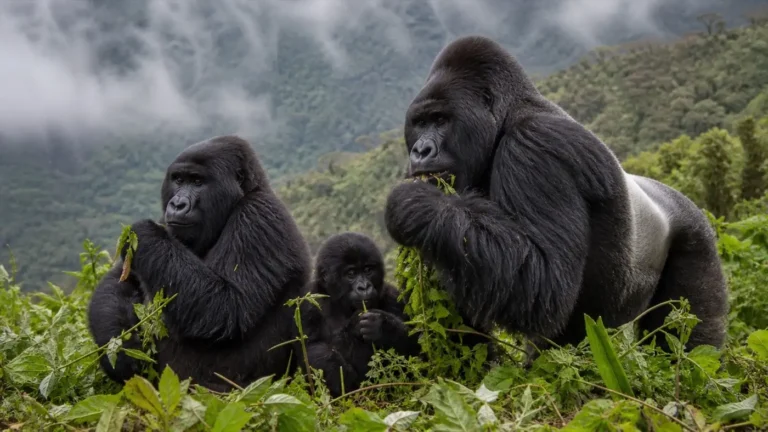
| Back hair | Predominantly dark | Visible silver-gray saddle |
| Body growth | Still adding size and adult features | Fuller crest, shoulders and musculature |
| Social possibilities | Birth group, bachelor group or solitary | Group leader, subordinate adult, bachelor or solitary |
| Species | Occurs in gorilla taxa | Occurs in gorilla taxa |
When does the transition happen?
Smithsonian broadly describes blackbacks around eight to twelve years and full silverback adulthood around thirteen or older for western lowland gorillas. These are useful approximations, not universal legal boundaries. Hair, skeletal growth, hormones and social maturity change at different rates.
Where do blackbacks live?
A blackback may remain with his birth group, join other males or travel alone. In multi-male mountain gorilla groups, sons sometimes remain and develop alongside a dominant father or relative. Other males disperse before becoming silverbacks.
Can a blackback reproduce?
Sexual maturity can precede full silverback appearance. Opportunities depend on group structure, rank and relationships. “Not fully grown” does not mean biologically incapable, just as reproductive ability does not mean adult body development is complete.
Is every silverback dominant?
No. Dominance is a relationship within a specific social context. Multi-male groups include more than one silverback, and solitary silverbacks lead no group at that time.
Why the distinction helps scientists
Age–sex classes support demographic analysis when exact birth dates are unknown. Field teams combine body size, back coloration, cranial development and long-term observation rather than relying on one photograph.