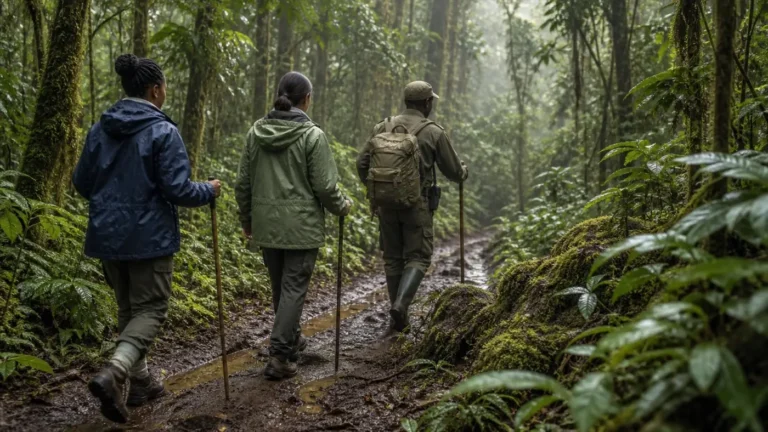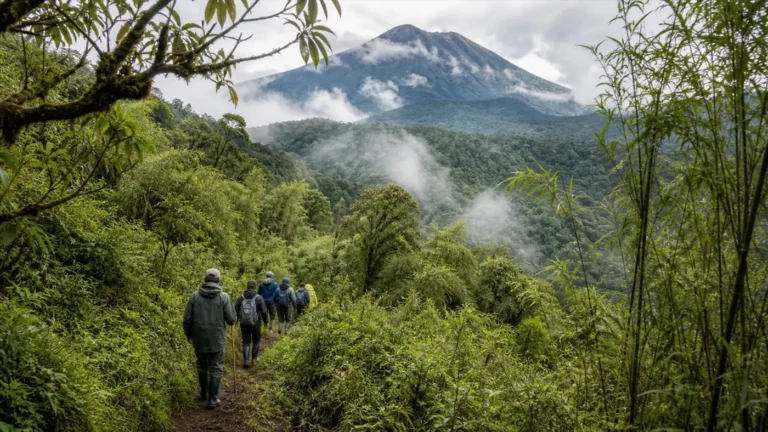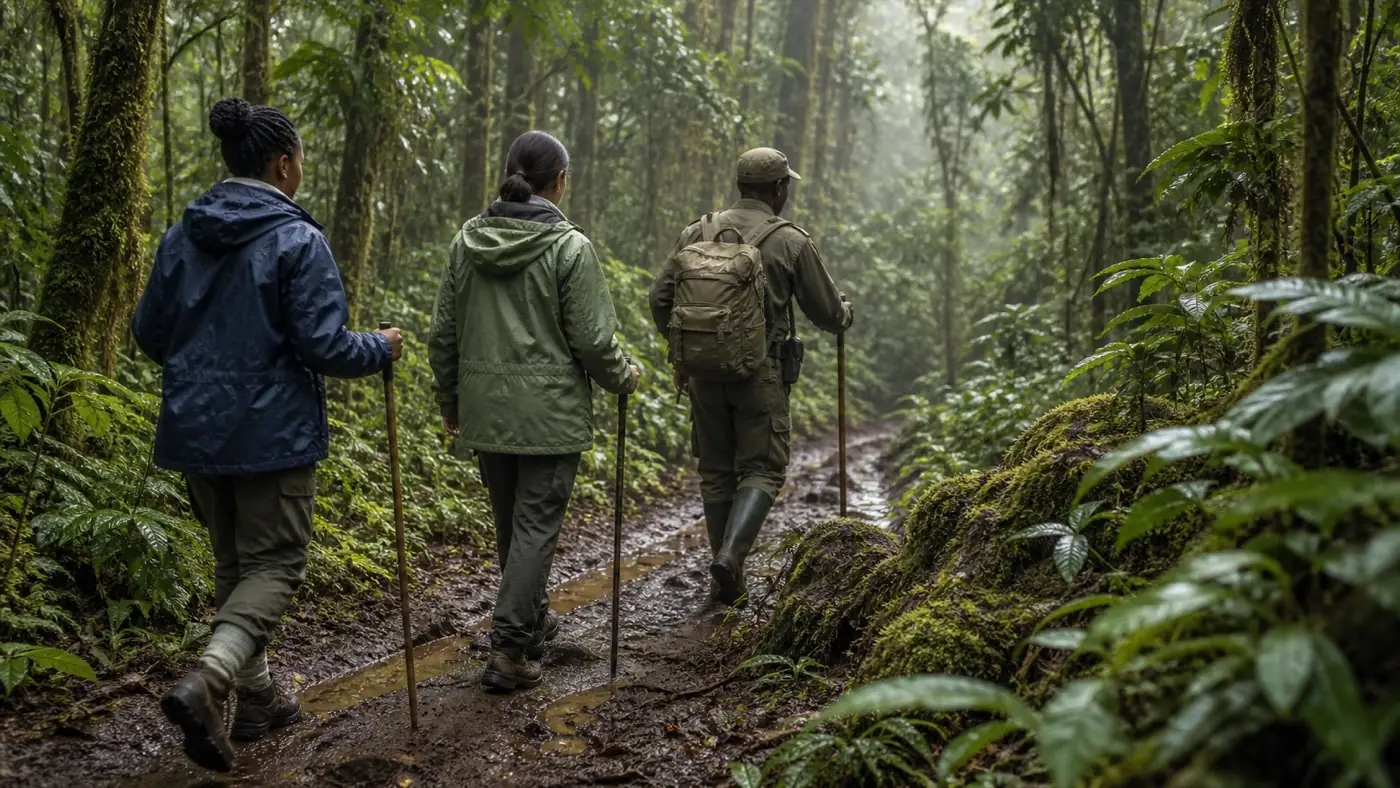
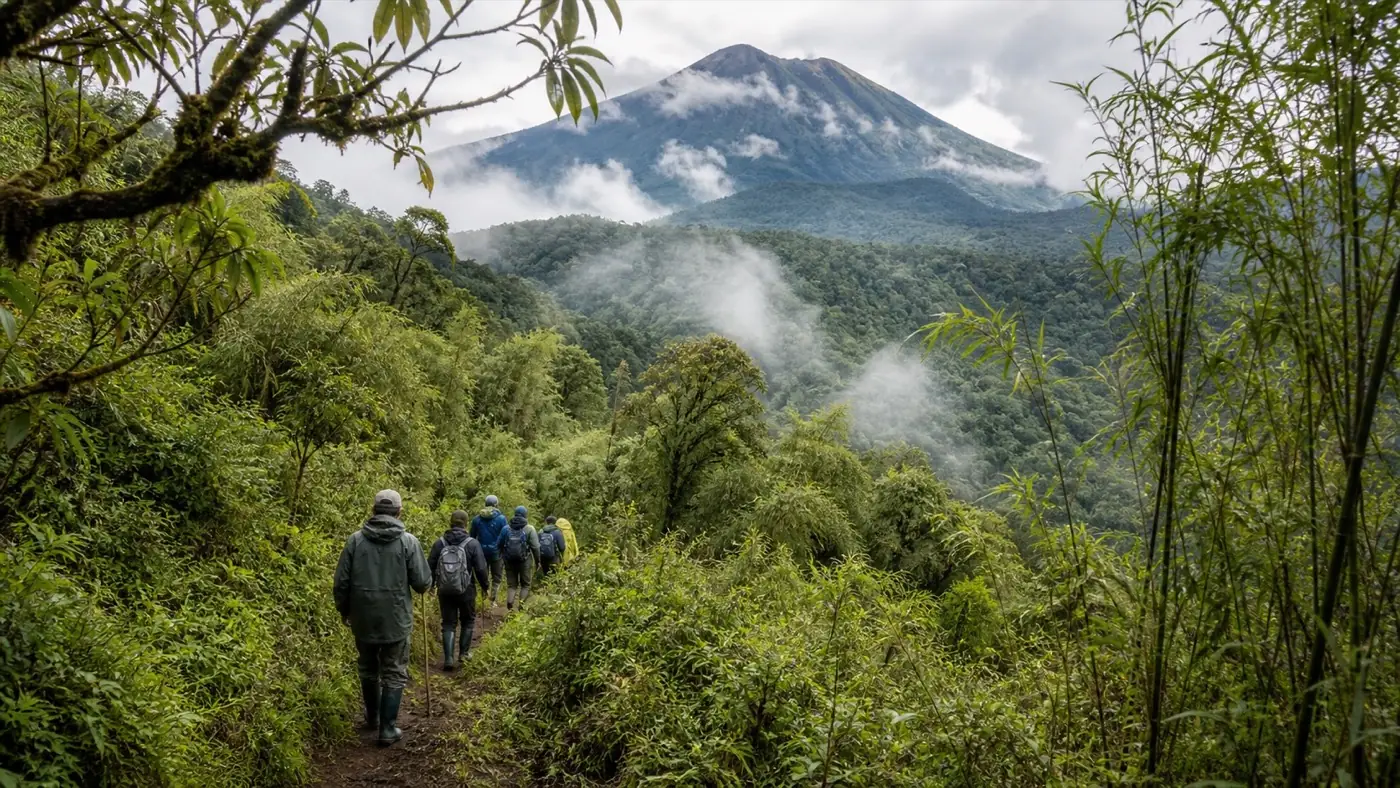
Gorilla trekking can range from a demanding two-hour outing to most of a day on steep, wet, uneven ground. Uganda Wildlife Authority describes tracking as commonly taking two to seven hours. The unknown is part of the activity: gorillas move, weather changes and “near the trail yesterday” means little today.
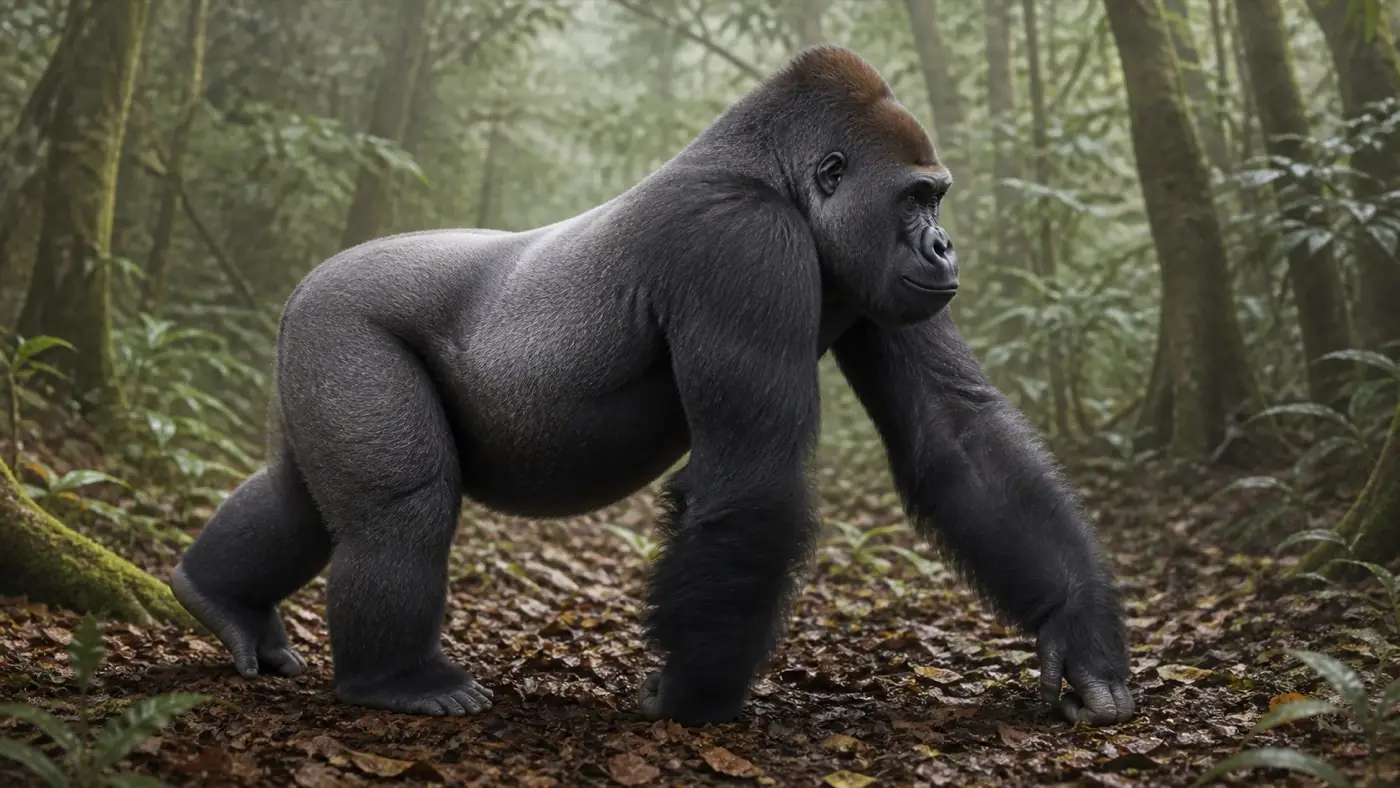
What actually makes a trek hard?
- Duration: the search and return both count.
- Gradient: repeated climbs drain energy differently from flat distance.
- Footing: mud, roots, loose soil and vegetation demand balance.
- Elevation: some visitors feel breathless sooner at mountain altitude.
- Heat and rain: waterproof clothing can trap heat; rain cools you quickly when stopped.
- Load: a camera, water and lunch become surprisingly heavy after hours.
A more useful rating than “moderate”
| If you can comfortably… | What it suggests |
|---|---|
| Walk 60 minutes on flat ground | A starting base, not full trek readiness |
| Walk 2–3 hours with hills and recover well | Better time-on-feet preparation |
| Repeat a hilly walk the next day | Useful resilience for a multi-day trip |
| Balance on uneven trails with a light pack | Closer to the trek’s actual demands |
This is not a medical clearance. If you have heart, lung, joint, balance or altitude concerns, ask a qualified clinician who knows your history.
A six-week preparation pattern
- Weeks 1–2: three brisk walks a week; one gradually longer.
- Weeks 3–4: add hills or stairs and light strength work for legs and core.
- Weeks 5–6: practice in boots with your daypack; include two walking days in a row.
Increase gradually and stop if pain changes your gait. The goal is confident endurance, not last-minute punishment.
What a porter changes
A porter can carry your bag, offer a steady hand on awkward sections and reduce fatigue. Hiring locally can also distribute tourism income. You still need to walk, but carrying less may improve safety and let you pay attention to the forest.
Can you request an easier group?
You can explain your limitations at briefing, and staff may consider them when allocating groups. Do not buy from anyone who guarantees a short or easy trek: the gorillas have not signed that contract.
Make the day easier without cutting corners
- sleep near the correct briefing point;
- eat a familiar breakfast and hydrate;
- use broken-in boots and trekking support recommended locally;
- keep your pack light and waterproof;
- start slower than excitement tells you to;
- tell the guide early if you feel unwell.
When not to trek
Do not participate while ill simply because the permit was expensive. Respiratory infections can threaten gorillas, and physical symptoms can worsen far from a road. Contact the operator and authority about the applicable policy.
The honest answer
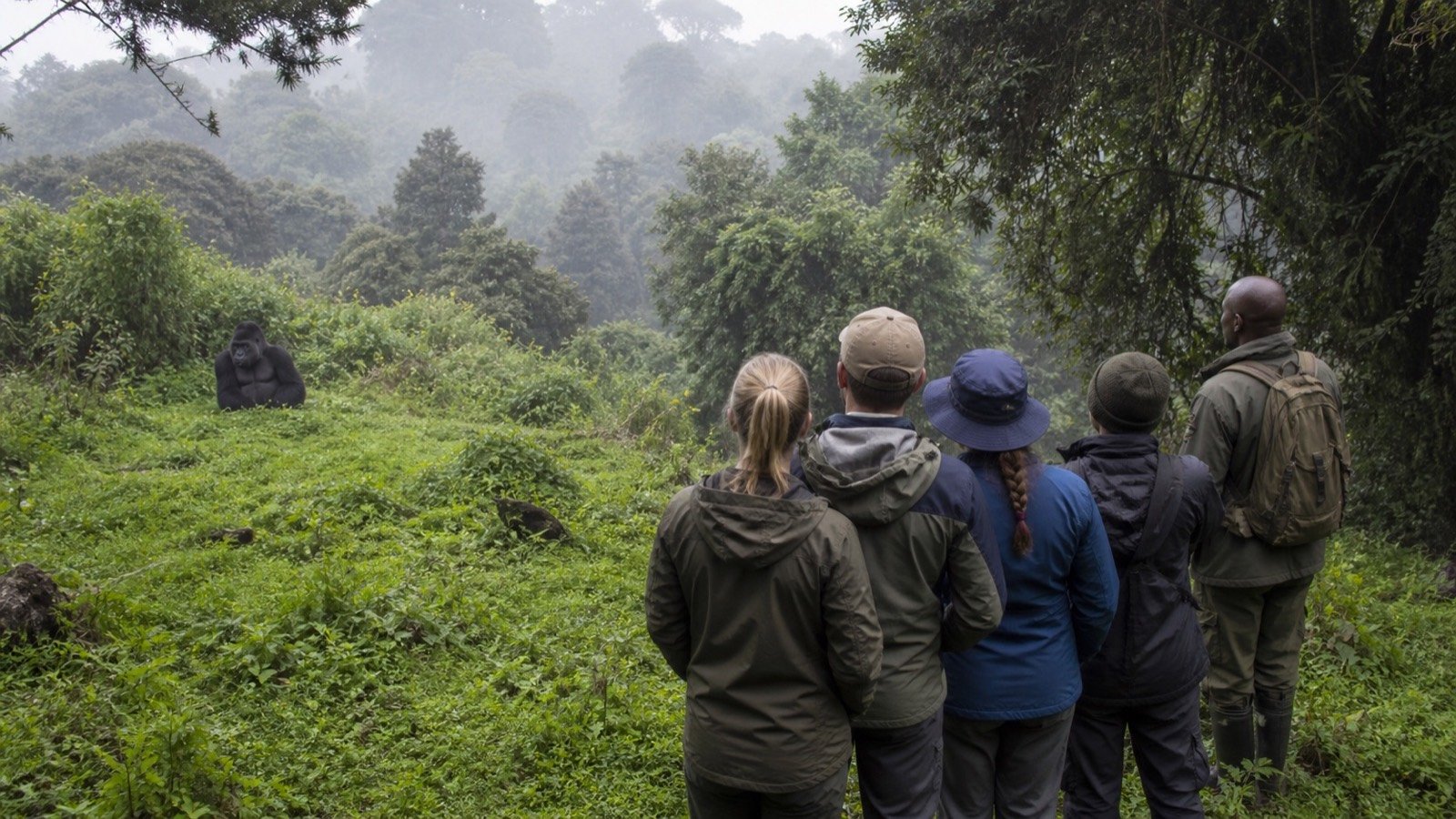
Prepare for a hard day and be delighted if it is easier. Fitness cannot guarantee a sighting or perfect conditions, but it can give you attention to spare—for gorillas, ranger instructions and the extraordinary forest around them. Next, use our packing list to remove avoidable discomfort.
Sources and verification
- IUCN: Best Practice Guidelines for Great Ape Tourism
- Uganda Wildlife Authority: Gorilla Tracking
- Visit Rwanda: Gorilla Trekking
Fact-checked 22 August 2026. Rules and access can change; follow the ranger and confirm current requirements with the park authority.