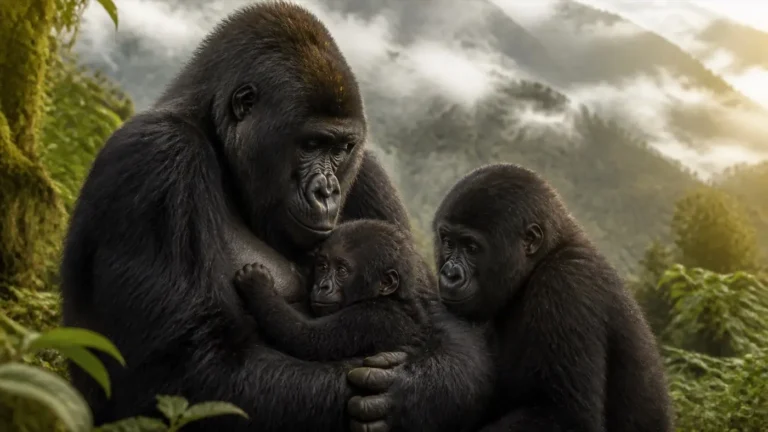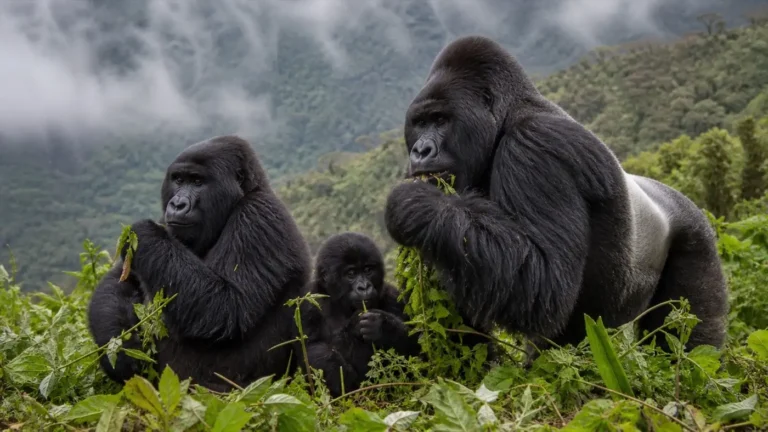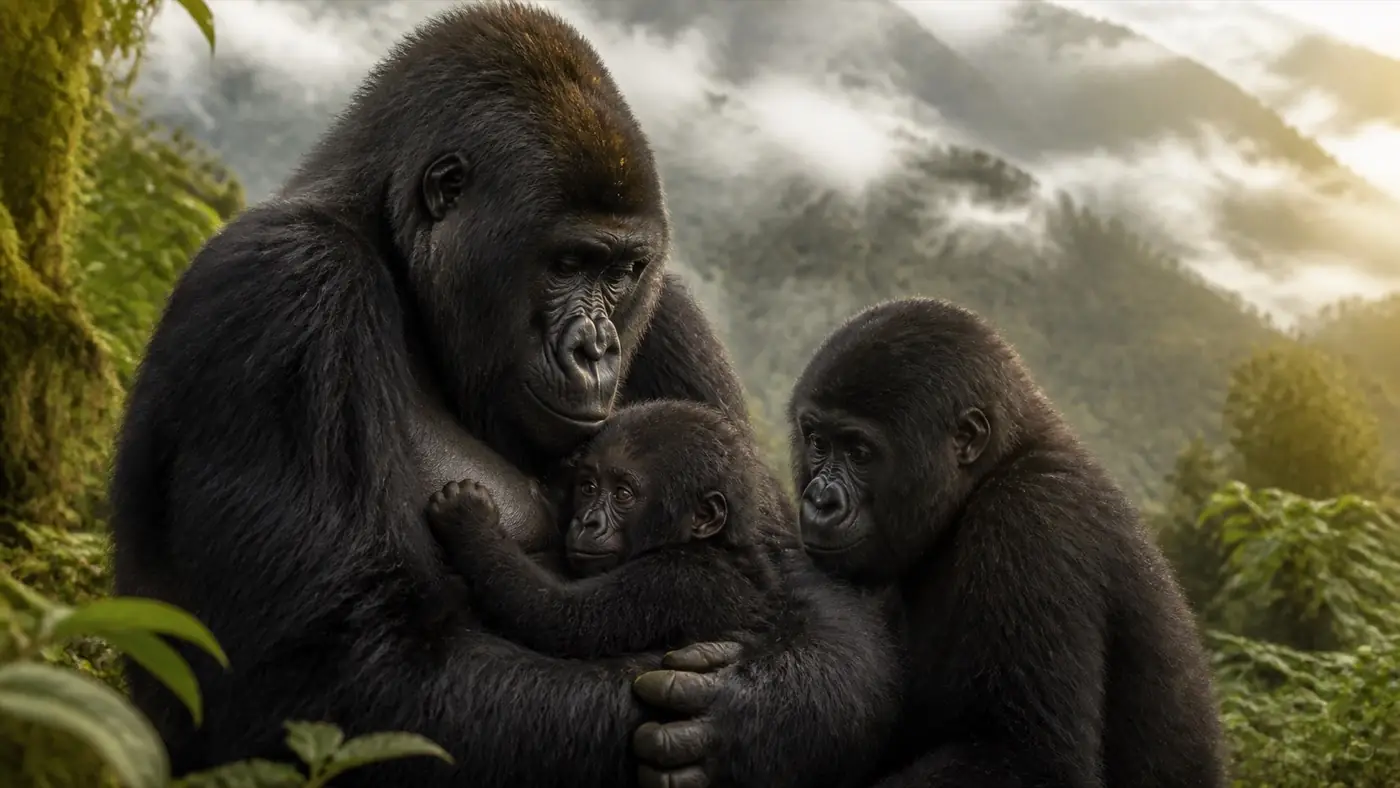
Short answer: A baby gorilla is called an infant. There is no special species-wide term equivalent to calf or cub in scientific use. “Baby gorilla” is correct everyday language; researchers usually record infant, juvenile, subadult and adult age–sex classes.
Gorilla life-stage glossary
| Term | Meaning | Caution |
|---|---|---|
| Newborn | An infant immediately after birth | Not a separate taxonomic class |
| Infant | A dependent young gorilla, initially carried and nursed | End ages vary among sources |
| Juvenile | A more independent but immature youngster | Physical and social development overlap |
| Blackback | A maturing male without the full silver saddle | Not every source uses identical ages |
| Silverback | A physically mature adult male | Does not automatically mean group leader |
Why scientists avoid one rigid birthday
Weaning, locomotor independence, reproductive maturity and adult body form do not arrive together. Taxon, nutrition, health and individual development change timing. Age classes simplify continuous growth for analysis.
What is a female baby called?
Still an infant. Gorilla terminology does not assign different baby words by sex. Researchers may record “female infant” when sex is known.
What is a group of baby gorillas called?
There is no standard special collective noun. Infants belong to a gorilla group or troop. A nursery-like cluster during play remains part of the social group.
When does an infant stop riding?
Infants progressively shift from belly contact to back riding and independent movement. Smithsonian notes riding can continue until roughly three and a half to four years in western lowland gorillas. It tapers rather than ending overnight.
Why the terminology matters
Calling every young male a “baby silverback” confuses a future adult trait with a current stage. Clear terms improve population records, welfare decisions and public understanding.